The alarm goes off at 4:40 and the temptation is to roll over. Stay in bed and you get the sunset instead, which is easier, warmer, and requires no headlamp. Both sessions give you low, raking light and long shadows, so it is tempting to treat them as interchangeable. They are not. Early and late light behave differently in color, in the direction of shadow, and in what the world is doing while you photograph it. Knowing those differences is what turns a lucky shot into a plan.
Same Sun, Different Air
The physics is shared: a low sun sends light through a longer slice of atmosphere, which softens contrast and warms the color. What changes is the state of everything between you and the horizon.
Overnight, the ground cools, moisture condenses into dew, dust settles, and wind usually drops. By morning you are working in clean, still, cool air. During the day the ground warms, thermals lift dust and pollen, and haze builds. By evening the air has been stirred and used, and the landscape has spent hours storing heat. That is why a morning scene can look scrubbed and a late scene can look like it has been through a long day, because it has.
Color: Cool Mornings, Warm Evenings
Morning light tends toward peach, pale rose, and, in the shadows, a distinct blue cast. Those blue shadows are not a camera fault. Shaded areas are lit by the open sky, and sky light is cool. Photographers who "correct" it away often flatten the very thing that made the picture feel early.
Evening light is heavier and more golden. Reds and oranges build toward sunset, and after the sun drops, the afterglow can hold for a surprising stretch of time. Haze mutes distant ridges into layers of grey-blue, which is lovely for depth and hopeless for detail.
A few practical habits help:
- Set white balance manually to daylight and leave it. Consistency across a sequence beats auto-correcting every frame.
- Shoot raw so you can decide later how much warmth to keep.
- In shade, add a fraction of warmth only where it helps the subject. Leave the snow and the water cool.
- Protect highlights on dew and wet rock. Morning sparkle clips easily.
Shadow Direction Changes Everything
Both golden hours give long shadows, but they point in opposite directions. Morning shadows stretch away from the sunrise; evening shadows stretch toward it. For a photographer, that is not trivia, it is composition.
If a hillside faces east, it glows at dawn and sulks in shade at dusk. A west-facing beach is the reverse. Before you commit to a 5 a.m. start, look at a map or a sun-position app and ask two questions: where will the sun be, and which surfaces will it actually strike?
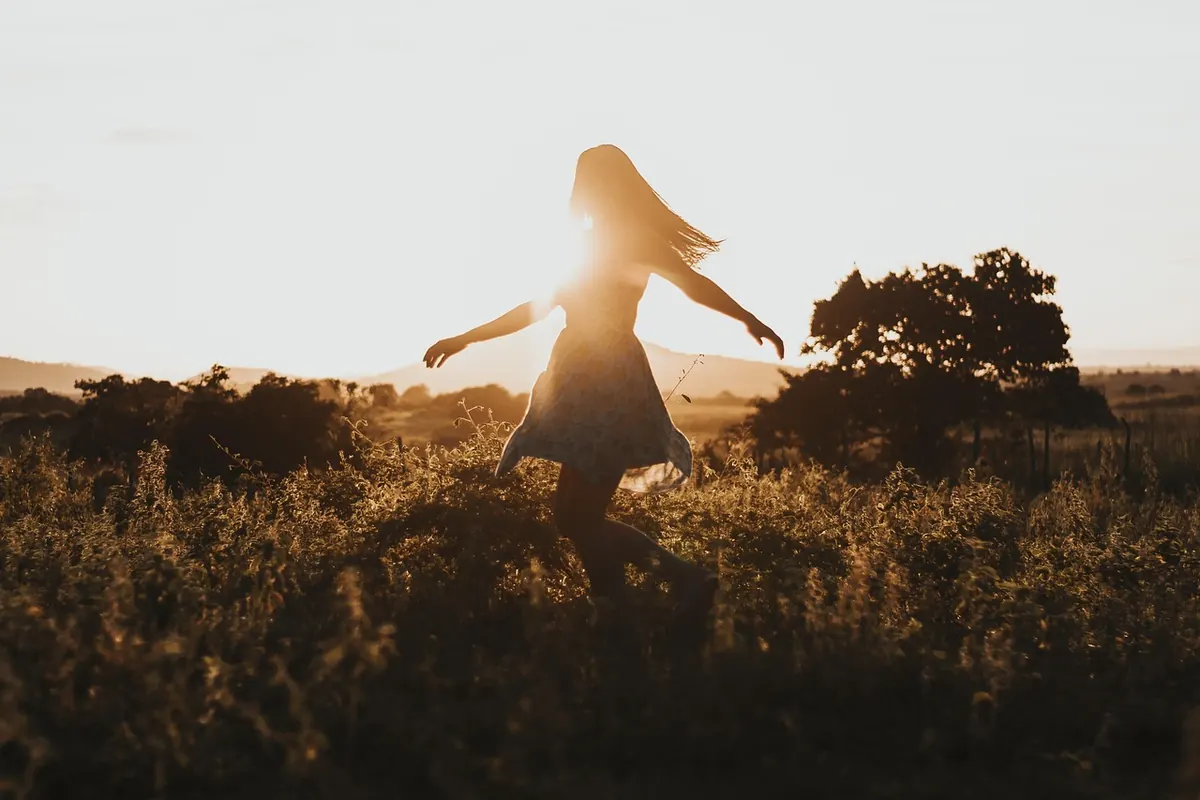
Then think about what shadows are doing. Long shadows across a meadow give texture and rhythm. Side light reveals shape in bark, stone, and fur. Low backlight turns grasses, seed heads, and spider silk into bright outlines against a darker background. Front light is the least exciting of the three in low sun, so position yourself accordingly rather than shooting whatever you find from the car park.
Light is not a filter applied afterwards. It is a decision about where to stand and when.
Mood and Wildlife: Anticipation Versus Release
The emotional register of the two sessions is different, and it shows in the pictures.
Morning
Dawn feels expectant. Birdsong is at its most intense, insects sit heavy with dew and unable to fly, water is often glassy, and fog can pool in valleys before it lifts. Subjects are calm and, in the case of cold-blooded creatures, slow enough to approach. You will likely have the place to yourself.
Evening
Dusk feels like a release. Animals move to feed, bats appear, owls start calling, and the air often carries the smell of warm earth. Light comes at you sideways or from behind, which is dramatic and difficult in equal measure. You are also working against the clock, and the last twenty minutes after sunset are usually the best and the most rushed.
How to Choose: A Practical Decision Guide
If you only have one session to give, match the light to the subject rather than to your mood.
- Pick morning for: still reflections, dew, mist, frosted grass, clean long views, wildflowers that open early, and any subject where you want time and quiet.
- Pick evening for: warm backlight, silhouettes, rim-lit grasses, west-facing cliffs and beaches, and broad open ground where long shadows need space to read.
- Pick either for: woodlands, streams, and detail work, where soft low light matters more than direction, provided you get there early or stay late enough.
A workable routine for either session:
- Scout the location in flat midday light so you are choosing compositions, not discovering them.
- Arrive forty-five minutes before sunrise or two hours before sunset.
- Shoot the quiet, low-contrast frames first, then the color as it builds.
- Stay twenty minutes past the moment you think it is over. The afterglow is often the payoff.
- Write one note about what you would do differently. It is worth more than another fifty frames.
Troubleshooting Each Light
Mornings are cold and damp. Condensation on the front element is common, so keep a dry cloth in a pocket and use a hood. Low light means slow shutter speeds, so raise the ISO rather than risking blur, and brace against something solid. If the mist does not appear, look for small scenes instead of the grand vista.
Evenings bring wind, insects, and fading light on unfamiliar ground. Carry a headlamp, know your route back, and tell someone where you are going. Midges and mosquitoes are part of the deal in summer, so cover up. Also watch the sky: a broken cloud layer at sunset is a gift, a solid grey lid is not, and a weather forecast checked at lunchtime will save you an evening.
A Short Practical Close
Rather than trying to master both, give one light a fortnight of your attention. If you like stillness, detail, and having a place to yourself, become a morning photographer: keep your bag packed the night before, set the alarm honestly, and accept that the first ten minutes will feel unpleasant. If you prefer warmth, drama, and the sense of a day closing, commit to evenings instead, and plan your return route so you are not fumbling in the dark.
Either way, go with a subject in mind and one frame you want to make. The photographers who consistently come back with good nature images are not the ones who chase perfect light. They are the ones who learned what their local light does at each end of the day, and turned up anyway.
Photo: 1857643 / Pixabay